
Amortization is the systematic write-off of the cost of an intangible asset to expense. A portion of an intangible asset’s cost is allocated to each accounting period in the economic (useful) life of the asset. The finite useful life of such an asset is considered to be the length of time it is expected to contribute to the cash flows of the reporting entity. Pertinent factors that should be considered in estimating useful life include legal, regulatory, or contractual provisions that may limit the useful life. The method of amortization should be based upon the pattern in which bookkeeping and payroll services the economic benefits are used up or consumed. If no pattern is apparent, the straight-line method of amortization should be used by the reporting entity.
Cash Management
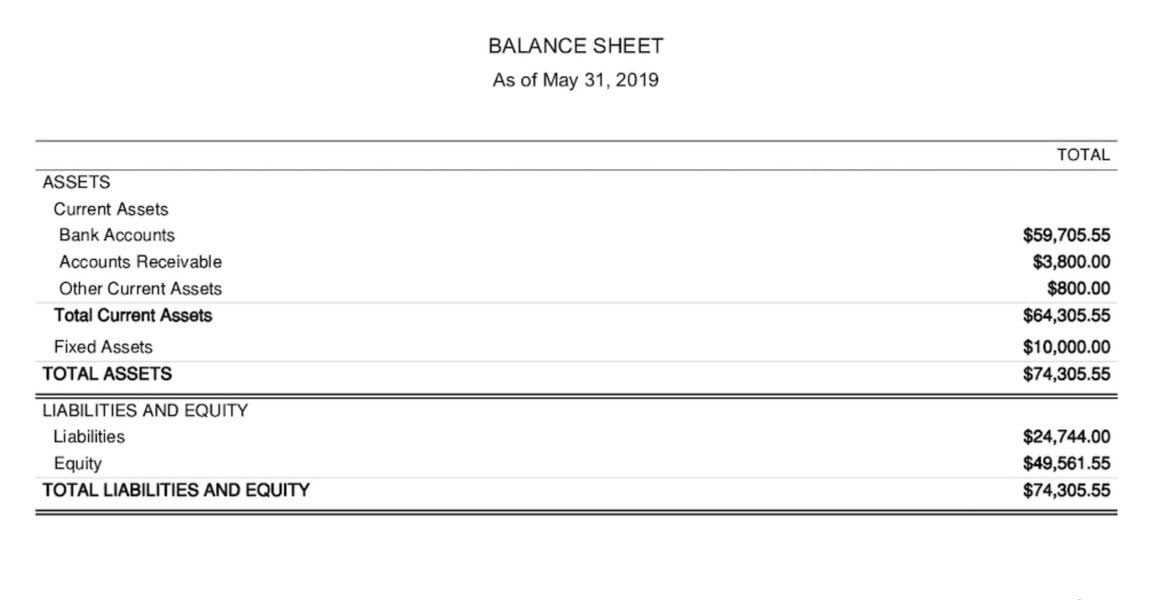
Accumulated amortization often confuses both accounting professionals and business stakeholders due to its contra asset nature and the way it interacts with a company’s financial statements. It’s a common misconception that accumulated amortization is a reserve of cash set aside for the replacement of assets, which is not the case. Instead, it represents the cumulative amount of amortization expense that has been recorded against a company’s intangible assets. This figure is not a pool of funds, but an accounting entry that reduces the book value of the intangible assets on the balance sheet over time. Accumulated amortization is a critical line item on a company’s balance sheet, often nestled under non-current assets. It represents the cumulative amount of amortization expense that has been recognized against intangible assets over time.
- The impact of accumulated amortization on asset valuation is multifaceted and can influence a company’s financial statements and investment appeal in several ways.
- Assets are the lifeblood of any business, representing the resources that companies use to generate revenue and profit.
- For a financial analyst, it represents a non-cash expense that needs to be added back to the net income on the cash flow statement to arrive at the true cash-generating ability of a company.
- Companies have a lot of assets and calculating the value of those assets can get complex.
- The key difference between amortization and depreciation involves the type of asset being expensed.
- In the realm of strategic planning, the concept of being aware of time, its passage, and its value…
How is Accumulated Amortization calculated?
Amortization is an important concept not just to economists, but to any company figuring out its balance sheet. This expense will continue to be part of the balance sheet till 2029 post, which is completely amortized. Considering ABC healthcare follows a straight-line amortization mechanism, let’s design the cash flow for this expense. This exclusive right enables the owner to manufacture, sell, lease, or otherwise benefit from an invention for a limited period. Finally, there are licenses that give an organization or person the right to perform a certain act or sell a certain product.
FAQs About Intangible Assets
Learning to differentiate between depreciation and amortization is vital for anyone in accounting. Applying these principles keeps a company’s financial reporting clear and compliant with GAAP rules. Goodwill as we all know, is a measure of the synergy capacity that a company has developed over time through acquisitions. As a result, goodwill should never be amortized because its value should constantly increase. In fact, similar to property, which is never depreciated, it should be examined once a year to provide a more accurate and up-to-date picture of the underlying asset.

Accumulated amortization is the total amount of amortization expenditure levied against an intangible asset. The notion can also be applied to accumulated amortization all amortization charged to date against a group of intangible assets. Amortization is a term used to describe the steady depreciation of an intangible asset over time.
- In any business, accurate billing and invoicing are critical for maintaining financial stability…
- Forecasting future cash flows requires a comprehensive understanding of all factors that affect cash, including amortization.
- The impact of accumulated amortization on financial statements is multifaceted and significant.
- This creates a temporary difference of $5,000 that will reverse over the life of the patent, resulting in a deferred tax liability.
- The initial recognition value of the ROU asset is divided by the useful life.
- For management, it guides strategic decision-making regarding capital allocation and long-term investments.
- Businesses that constantly record amortization can better identify when an asset’s value has been impaired and take necessary action, such as reducing the asset’s carrying amount.
- Show the journal entry for amortization of goodwill in the books of ABC LTD. in year 1 after the acquisition assuming it will be amortized over 10 years.
- If the platform cost $500,000 to develop and is expected to be relevant for 5 years, the annual amortization expense would be $100,000.
- The useful life is usually determined based on factors like legal or contractual limitations, technological advancements, or the asset’s expected usage.
- From the lens of a CFO, the increase in accumulated amortization signals a need to reassess the company’s asset portfolio and consider new investments or innovations.
- Then, match it with a credit that matches with the debit for the patent recorded earlier.
- After five years, the accumulated amortization totals $100,000, reducing the franchise agreement’s book value to $100,000.
The long-term impact Online Accounting of accumulated amortization on business strategy is multifaceted, affecting everything from financial planning to competitive dynamics. By understanding and anticipating these impacts, businesses can make informed decisions that align with their strategic objectives and ensure sustained growth and profitability. For example, a media company might invest in new content creation technologies to stay ahead of the curve, despite the accumulated amortization on its existing assets. This proactive approach can help maintain a strong market position and drive long-term success. Through these examples, we see that accumulated amortization is not just a line item on the balance sheet; it’s a narrative of how assets evolve and interact with a company’s operational strategy. It’s a financial echo of the innovation cycle, reminding us that today’s cutting-edge asset is tomorrow’s amortized expense.
Intangible assets are purchased, versus developed internally, and have a useful life of at least one accounting period. It should be noted that if an intangible asset is deemed to have an indefinite life, then that asset is not amortized. Depreciation is recorded to reflect that an asset is no longer worth the previous carrying cost reflected on the financial statements.
ACCOUNTING for Everyone
While cash flow focuses on the present and immediate future, amortization impacts the long-term financial strategy and planning. Together, they paint a comprehensive picture of financial stability and sustainability. The treatment of accumulated amortization on the balance sheet reflects the gradual reduction in the value of intangible assets over time. As mentioned earlier, accumulated amortization is presented as a contra-asset account, deducted from the cost of the intangible asset it relates to.